



Parents have been issued a warning about the effects of ‘phubbing’ in front of their children.
A stark warning is being issued about a growing behavioral trend that experts say may have unintended emotional consequences for children.
Although modern life can feel frantically busy, researchers now suggest that certain everyday habits many adults don’t think twice about may be leaving young people feeling overlooked or unimportant.
Specialists say it’s worth examining how these interactions affect the emotional well-being of children who rely heavily on their parents for connection, communication, and reassurance.
According to emerging research, when children perceive that they are being ignored or pushed to the side, even briefly, it can shape how they view themselves and their relationship with the world around them.
These feelings, when repeated or left unaddressed, may contribute to increased anxiety, sadness, or withdrawal.
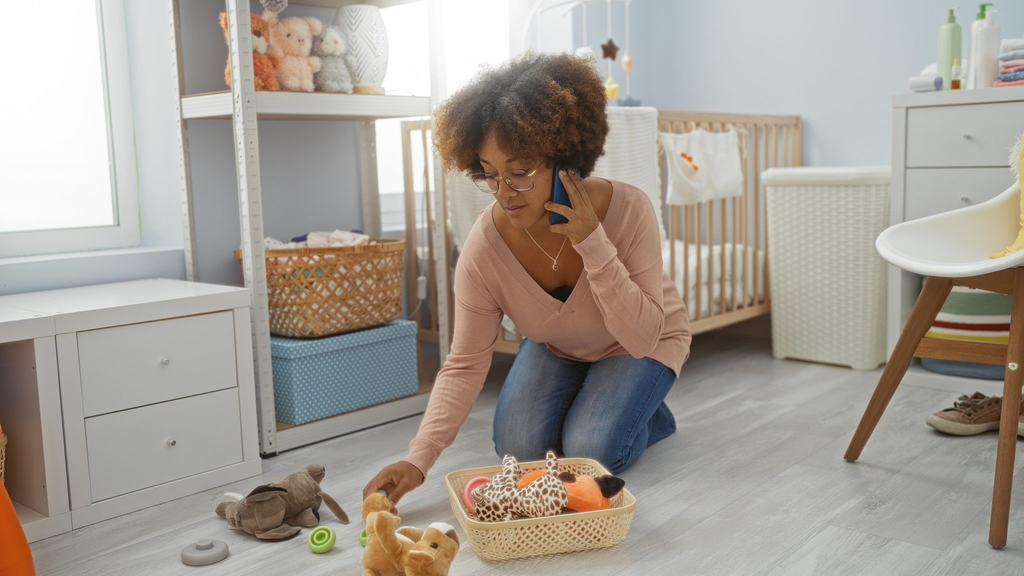
Experts have issued a warning to parents about the effects of ‘phubbing’ which may be leaving young children feeling ‘rejected and dismissed.’
Experts warn that repeatedly feeling ignored may negatively affect a child’s emotional well-being, potentially contributing to feelings of loneliness, anxiety or sadness.

The habit can happen almost anywhere – during meals, car journeys or even while a child is trying to share something important.
What makes it particularly concerning is how ordinary and harmless it may seem to the adult doing it. But experts warn that repeatedly dividing your attention in this way can send a very different message to a child.
Over time, they may begin to feel as though something else consistently matters more than they do – and many parents may not even realise they’re doing it.
Studies about phubbing
Separate research into childhood emotional neglect has also highlighted the importance of emotional support.
One study found that greater emotional neglect during adolescence was associated with increased depressive symptoms at the age of 18.
The study did not examine phubbing specifically, but its findings demonstrate the potential long-term impact of young people feeling emotionally unsupported.
Psychologist Mary Alvord, co-author of ‘Conquer Negative Thinking for Teens,’ tells Very Well Mind that when parents participate in ‘phubbing,’ their child may feel ‘inadequate and lonely.’
She explains that children who experience this type of dismissal often internalize it. They may begin to think they are insignificant or unworthy of attention.
Over time, this can cause them to isolate themselves or change their behavior in an attempt to gain any form of recognition or engagement.
She says: “He or she may think they are insignificant. When children begin to think this way, they often isolate [themselves]. They will also overcompensate negatively or positively to get any type of attention.”
One such study, published in the National Library of Medicine, found: “Higher levels of emotional neglect were associated with increased depressive symptoms at 18.
What is phubbing?
So, what exactly is ‘phubbing?’
As explained by TechTarget, it’s a blend of the words ‘phone’ and ‘snubbing,’ and involves a person ignoring their companion in favor of using their smartphone.
For many people, it’s a familiar occurrence. A parent checking notifications during a conversation. Someone scrolling through social media instead of responding. A family member half-listening while looking at a device.
The term was coined in 2012 as part of a campaign for the Macquarie Dictionary, a major dictionary of Australian English.
Working with advertising agency McCann Melbourne, a team of lexicographers, writers and poets developed a word to describe the increasingly common habit.
It was later popularized through the ‘Stop Phubbing’ campaign.
Alvord says while everyone may be guilty of ‘phubbing’ from time to time, parents should ask themselves: Are they ignoring their child in favor of screen time?
The expert continues: “Parents rely on the convenience of smartphones (i.e., alarms, book reading, scheduling, news, social connections, etc.), thus creating a sense of dependence.
“In fact, we often hear parents’ comments that they ‘can’t go anywhere’ without their phone.”
Dangers of phubbing
But ‘phubbing’ doesn’t just impact the relationship between a parent and a child.
It can become an issue in all kinds of connections and relationships that we build with people day-to-day.
In everyday interactions, being ignored in favor of a device can send a message, intentional or not, that the person present is less important than whatever is happening on the screen.
Research has also linked the behavior to lower satisfaction and perceived quality in romantic relationships.
A study by Faruk Caner Yam of Tokat Gaziosmanpaşa University examined 308 adults in Türkiye and found that partner phubbing negatively predicted relationship satisfaction and perceived relationship quality.
Yam concludes: “Partners’ being too busy with their smartphones during their romantic relationships harms relationship satisfaction and perceived romantic relationship quality.
“For this reason, it is very important to raise awareness of couples about the use of smartphones during their romantic relationships.”