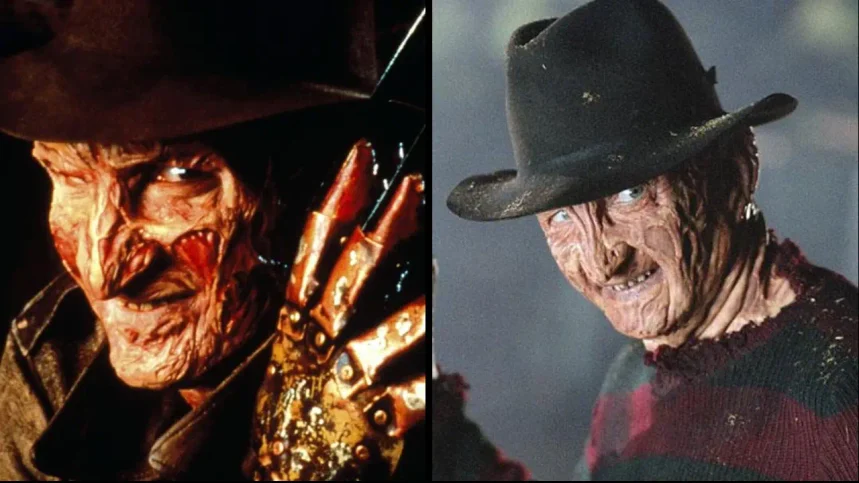

Freddy Krueger has terrified horror fans for more than four decades, but the iconic A Nightmare On Elm Street villain has unexpectedly found himself being canceled by Gen Z.
TikTok users have been accused of trying to cancel the fictional killer over his disturbing backstory, with some questioning why a character associated with the murder of children has become such a popular figure in horror merchandise.
However, the supposed backlash has sparked an even bigger reaction from fans, many of whom are baffled that anyone would expect a horror villain to be a good person.
The debate began gaining attention online in October 2026, with discussions spreading across TikTok and X.
And while some users have raised questions about the character, others argue that the entire controversy has been blown out of proportion.
Why is Gen Z trying to cancel Freddy Krueger?
The latest discussion appears to have gathered momentum after Freddy Krueger was introduced as a character skin in Fortnite’s annual Fortnitemares event, Yahoo reports.
The release brought the horror icon to a new audience, including younger players who may not have grown up watching the original A Nightmare On Elm Street films.
Some online users have suggested that the Fortnite appearance encouraged people to revisit the franchise, including its 2010 remake.
That version of the story makes Freddy’s background particularly disturbing, explicitly identifying him as not only a child murderer but also a s**ual predator.
This has become a central point of the online argument, with some questioning how a character with such a backstory can be celebrated through toys, clothing and other merchandise.
Some have gone a step further, calling for a boycott of films and other media featuring the character.
One X user, posting on October 23, wrote: “Remembering that they made a Nightmare on Elm Street that made Freddy an actual p—phile. I know that’s the subtext, but you kinda need that as just subtext to make it an enjoyable movie.”
The post helped fuel further discussion about how the character has been portrayed across different versions of the franchise.
Freddy Krueger’s original backstory is different from the remake
Part of the controversy comes down to the distinction between the original 1984 film and its 2010 remake.
In the original A Nightmare On Elm Street, Freddy is established as a child murderer, but the s**ual abuse element is not explicitly stated in the same way.
The remake revisited an earlier concept associated with creator Wes Craven, making the suggestion much more direct.
Screenwriter Eric Heisserer previously explained that the remake’s writing drew on Craven’s original idea for the character.
Actor Robert Englund, who famously played Freddy in the original films, has also discussed the subject.
In an October 2025 interview with Out, Englund said: “Freddy’s not a p***phile, I never played him as a p***phile.”
He also recalled Craven deliberately avoiding that characterisation during the development of the original film.
The different interpretations have added another layer to the debate, with fans arguing that the original character and the version presented in the remake should not simply be treated as identical.
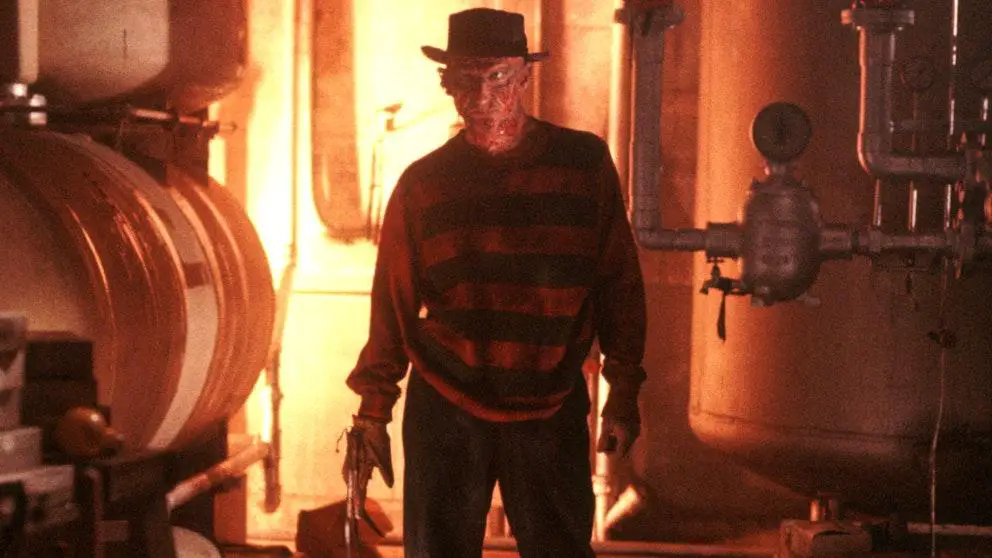
Horror fans are not impressed by the cancellation claims
Despite the attention surrounding the supposed cancellation attempt, many horror fans have been quick to defend the franchise.
Some have pointed out that Freddy is a fictional villain whose entire purpose is to frighten audiences.
Others have questioned whether there is any widespread campaign to cancel him at all, suggesting that a small number of posts have been amplified into a much bigger controversy.
One Reddit user wrote: “There’s less people that care about this than there are flat earners.”
Another questioned who was actually behind the alleged campaign, asking: “Which company or group is cancelling him? Just a few people on TikTok?”
A separate commenter joked: “How can you cancel a person who isn’t real?”
Others argued that the character’s disturbing behaviour is precisely what makes him a horror villain, rather than something fans are expected to admire.
One fan also pointed out that Freddy’s merchandise is hardly a new phenomenon, writing: “lol they would of hated the 80s then when he was on lunchboxes”.
Another commenter suggested that the whole story was being fuelled by outrage, rather than an actual attempt to remove the character from popular culture.
The debate has left people questioning what horror fans are supposed to enjoy
The discussion has also prompted wider questions about the difference between enjoying a fictional villain and approving of their actions.
Freddy is far from the only horror character known for committing horrific acts.
Characters such as Michael Myers, Jason Voorhees, Leatherface and Chucky have all become recognisable figures in popular culture despite being responsible for countless fictional deaths.
For many fans, the appeal is the fear, storytelling, performances and creativity behind the films, rather than the behaviour of the characters themselves.
Horror publication Dread Central also weighed in on the controversy, arguing that criticism of Freddy merchandise should not automatically be confused with a widespread campaign to cancel the character.
Its article questioned why the debate had gained so much attention, particularly when there appeared to be more people reacting to the supposed cancellation than actually calling for it.
It also raised a separate question about the entertainment industry’s treatment of real-life criminals, arguing that turning actual murders into films, documentaries and podcasts can be far more uncomfortable than selling merchandise featuring a fictional monster.
The publication acknowledged that there is a legitimate discussion to be had about marketing adult horror characters to children, but argued that enjoying a scary film does not mean endorsing the villain.
And judging by the reaction online, plenty of horror fans agree that there is a difference between loving a horror franchise and wanting to be anything like the monster at its centre.